
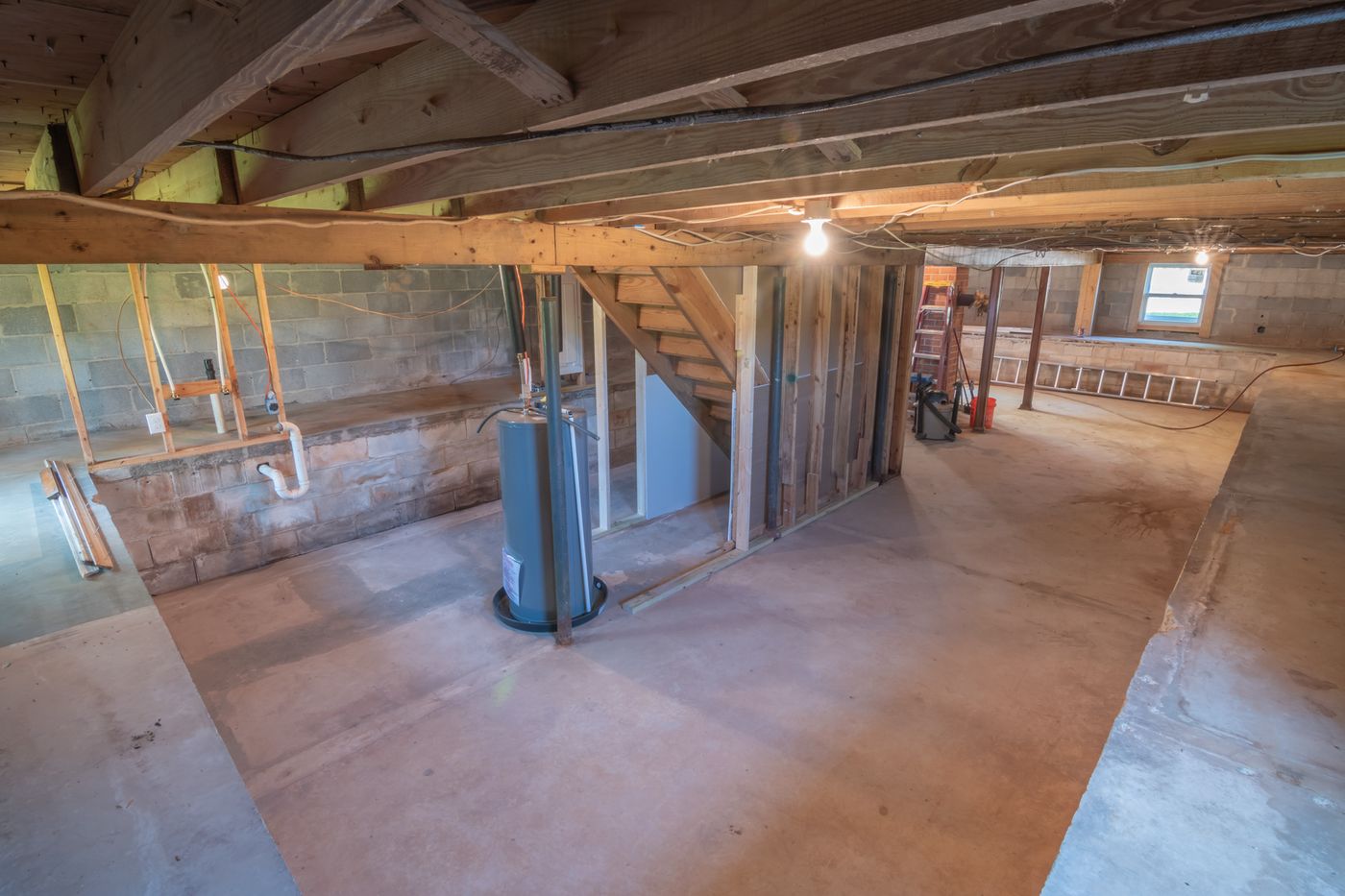
Basement
Dry it out first. Then make it a real room.
Waterproofing, sump systems, and full finishing build-outs. We won't finish a basement we haven't confirmed is dry — that's the part other contractors skip.
Set an appointment now.
Standing water, a failed sump pump, or a musty smell you can't place? Free inspection, no trip charge.
Know before you call
Six signs your basement is asking for help.
Most of these show up long before standing water does. Catching them early is the difference between a repair and a rebuild.
Musty smell that won’t go away
Usually the first sign of trapped moisture, even before you can see it anywhere.
White chalky residue on walls
Efflorescence — mineral deposits left behind as water moves through concrete and evaporates.
Cracks in the foundation wall
Hairline cracks are common and often cosmetic. Wide, active, or step-cracks in block need a real look.
Standing water after heavy rain
Even an inch after a storm means water is finding a way in that needs to be found and stopped.
Peeling paint or bubbling drywall
Moisture pushing through from behind — the wall is telling you before it fails outright.
Sump pump running constantly
A pump that never rests means the water table around your foundation is higher than it should be.
What we install
Dry first. Finished second.
The order matters. A beautiful finished basement over an unsolved water problem is just an expensive way to hide a leak for a year.
- 01
Interior waterproofing
Interior drain tile and sump systems that intercept water before it reaches your floor — the standard fix for a wet basement in Michigan clay soil.
- 02
Exterior waterproofing
Excavation, membrane, and drainage board at the foundation wall itself. More invasive, but stops water before it ever touches the concrete.
- 03
Sump pump systems
Primary and battery-backup pumps sized for your water table, so a power outage during a storm doesn’t undo the whole system.
- 04
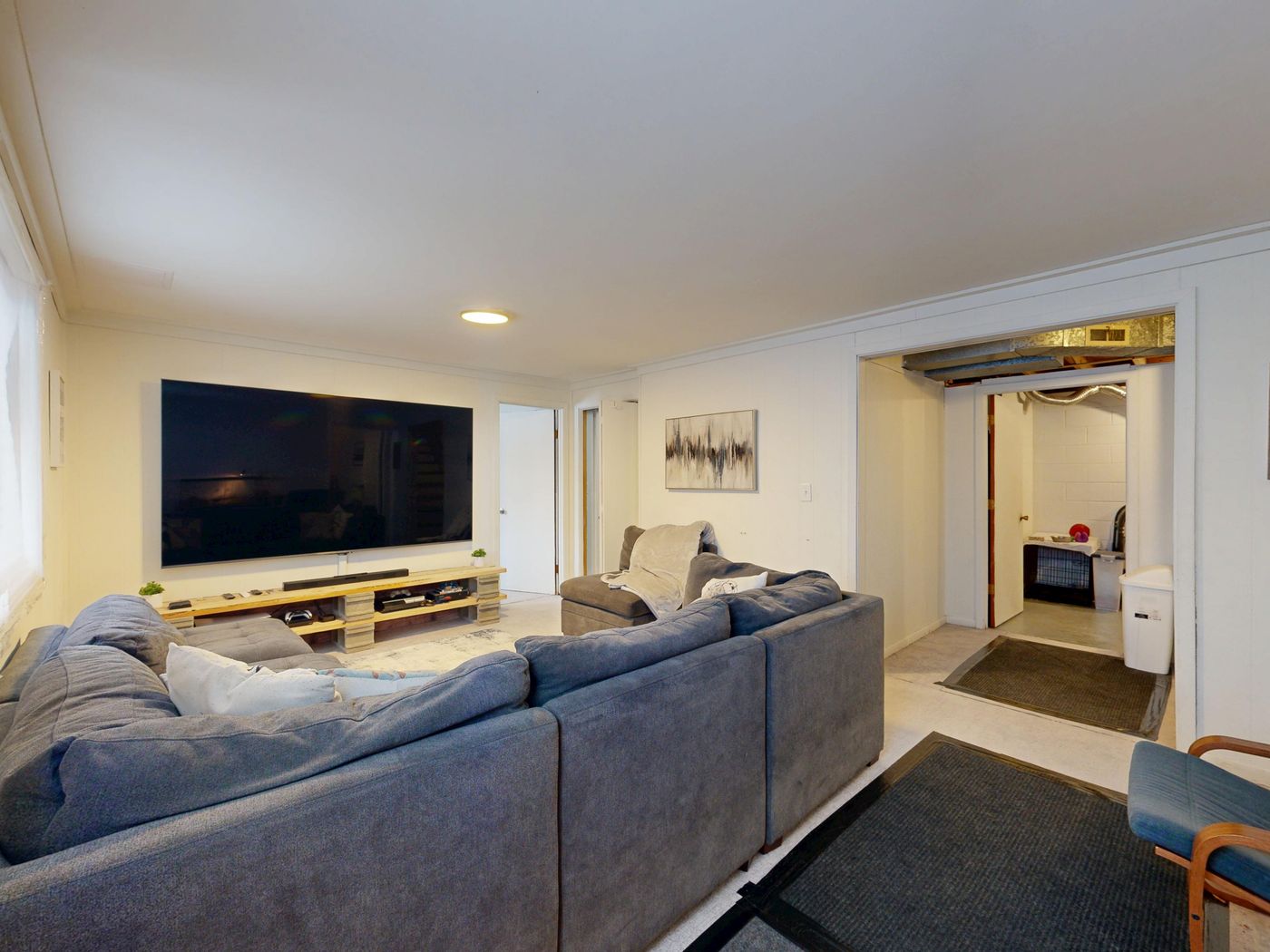
Full finishing build-out
Framing, insulation, egress windows where needed, drywall, and flooring rated for below-grade moisture — a real room, not just a covered-up basement.
You don't have to pay it all today
Finish the basement now, pay over time.
A finished basement is one of the better returns in the house. Ask about financing options for qualified homeowners.
Subject to credit approval. Rates and terms are set by Hearth's lending partners, not by Kelly Construction.
Recent work
Drag to see the difference.
Common questions
Straight answers.
If yours isn't here, call and ask. We'd rather explain it now than have you find out mid-project.
Should I waterproof before or instead of finishing?
Always before. Finishing over a basement that still leaks just hides the problem behind new drywall until it fails again — worse, and more expensive to fix the second time. We won’t finish a basement we haven’t confirmed is dry.
Do I need a permit to finish my basement?
Yes, in Michigan municipalities finishing a basement — especially adding bedrooms, which requires egress windows — needs a permit. If a contractor suggests skipping it, that tells you how the rest of the job will go.
How long does waterproofing take?
Interior drain tile systems are typically completed in one to three days depending on the basement’s size and how much of the perimeter needs work. Exterior waterproofing takes longer since it involves excavation.
Will my insurance cover basement waterproofing?
Usually not as a standalone project — most policies treat groundwater seepage as a maintenance issue, not a covered peril. Sudden events like a burst pipe or sump failure are a different story and often are covered.
What’s the difference between a sump pump and a French drain?
A French drain (interior drain tile) collects water along the foundation perimeter and channels it to the sump pit. The sump pump then moves that collected water out and away from the house. They work together — one without the other doesn’t solve the problem.
Get a free basement inspection.
We'll find where the water is actually coming from before we talk about how to finish the space.