Water Mitigation
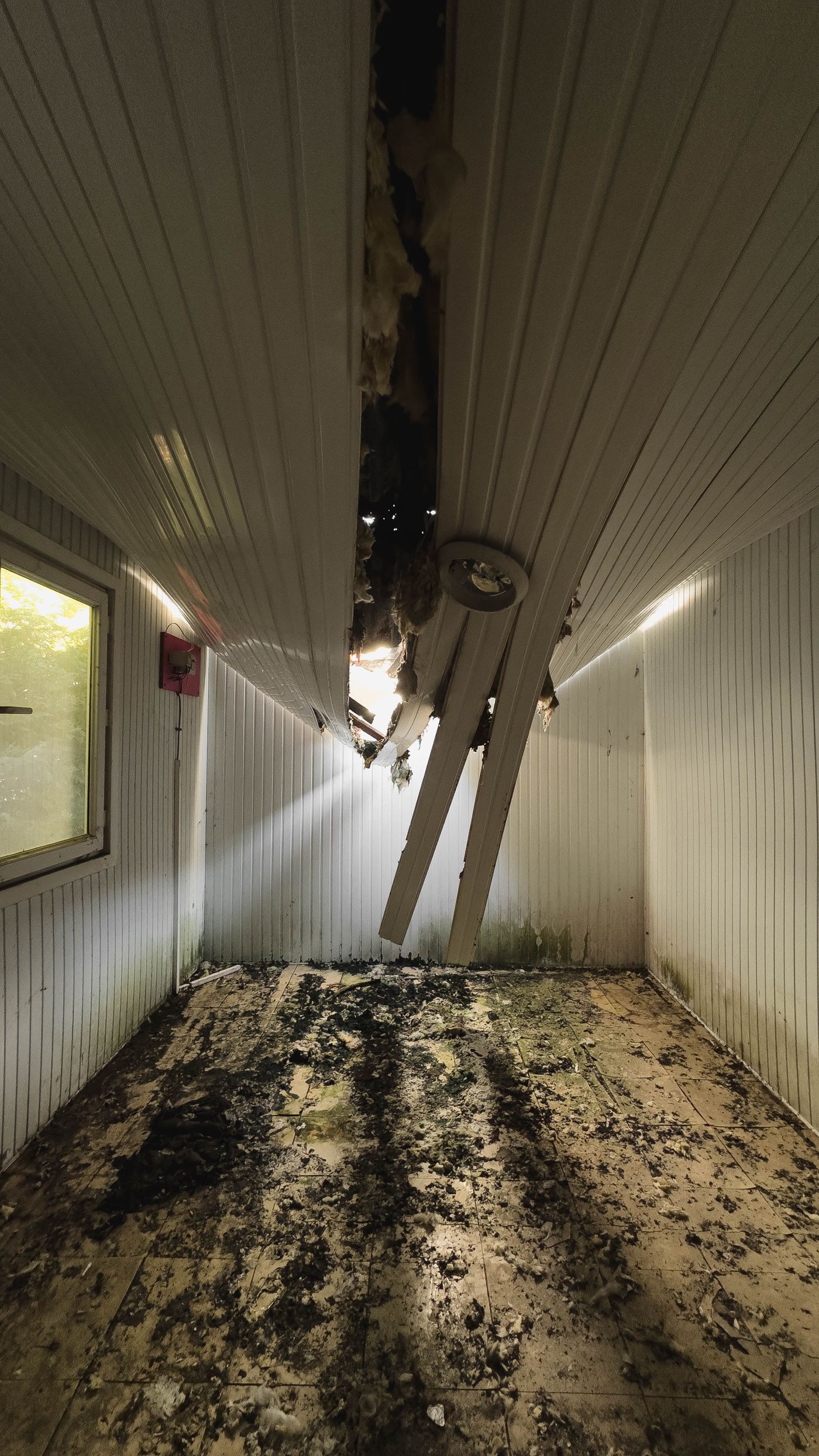
Water doesn't wait. Neither does the damage.
Emergency extraction, structural drying, and the rebuild after — documented from the first visit so your insurance claim has evidence behind it.
Water coming in right now?
Call. Don't fill out a form. Every hour that water sits is more material that has to come out instead of dry out.
Why speed matters
What happens while you wait.
The difference between a drying job and a demolition job is measured in hours, not weeks.
- First 24 hours
Water spreads
Water wicks into drywall, subfloor, and insulation. Furniture finishes bleed into carpet. Still fully recoverable at this stage.
- 24 – 48 hours
Mold becomes possible
Given moisture and room temperature, mold can begin colonizing porous materials. Drywall swells, laminate delaminates, odor sets in.
- Day 3 onward
Damage turns structural
Wood warps and splits. Mold spreads through wall cavities. What was a drying job becomes a demolition and rebuild job.
What we see most
Six ways Michigan homes flood.
Burst or frozen pipe
Michigan winters split supply lines in unheated walls, crawlspaces, and garages. Often runs for hours before anyone notices.
Sump pump failure
Usually fails during the exact storm you needed it for — power goes out, pump stops, water table keeps rising.
Water heater rupture
A failed tank empties forty-plus gallons onto the floor, then keeps refilling until someone shuts the valve.
Storm intrusion
Wind-driven rain through a damaged roof, window, or door. Frequently paired with the roof damage that caused it.
Appliance supply lines
Washing machine, dishwasher, and fridge ice-maker lines fail quietly, often behind the appliance where nobody looks.
Sewer or drain backup
Category 3 water — contaminated. Different protocol, different safety requirements, non-negotiable material removal.
Our process
Dry it properly, then rebuild it.
Mitigation and reconstruction are usually two different companies pointing at each other. We do both, so there's one number to call when something isn't right.
- 01
Emergency extraction
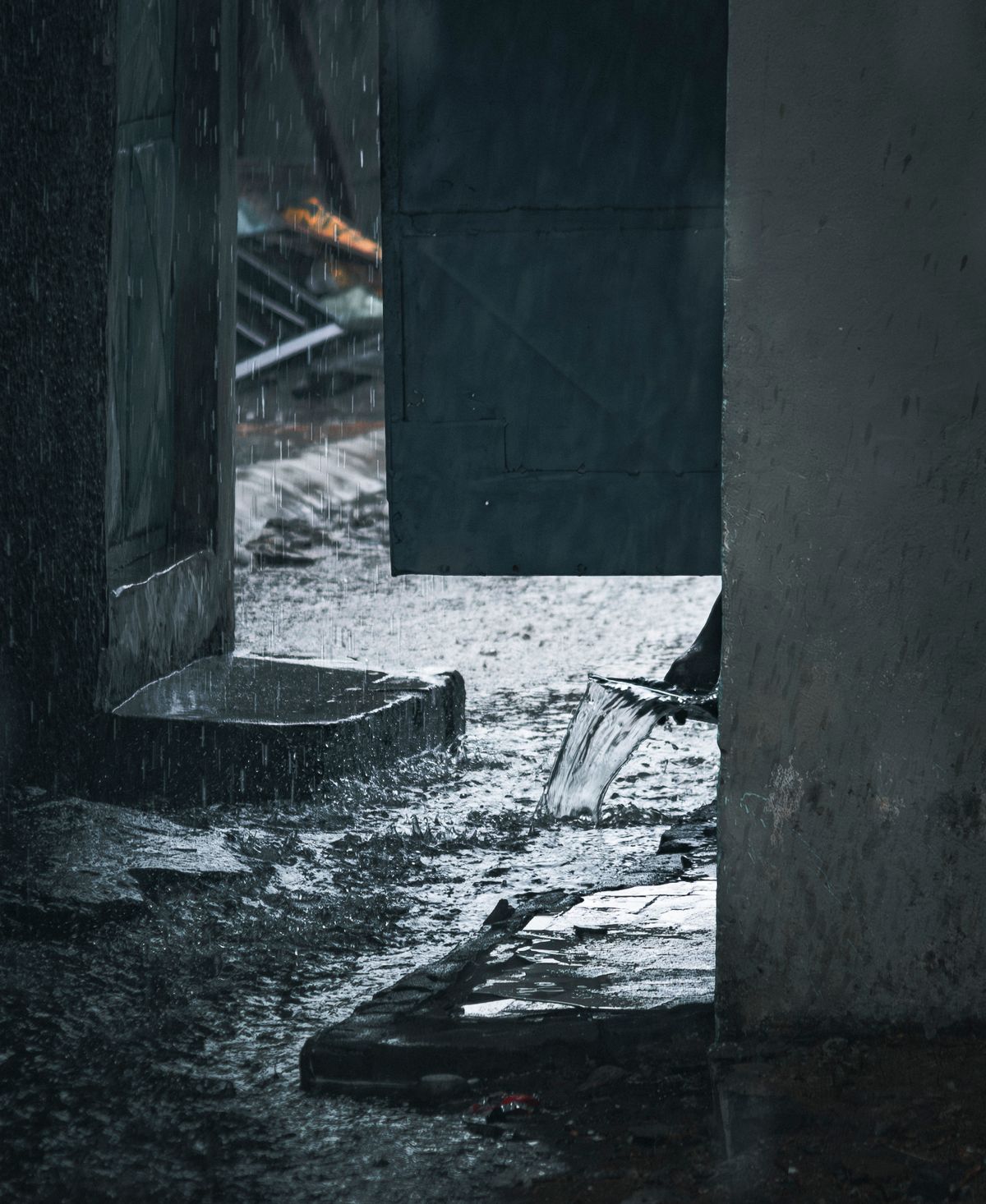
Standing water out first, with truck-mounted or portable extraction depending on access and volume.
- 02
Moisture mapping
Thermal imaging and moisture meters find water inside walls and under floors — the part you cannot see and cannot skip.
- 03
Structural drying
Air movers and commercial dehumidifiers sized to the space, monitored daily until materials read dry against a documented target.
- 04
Antimicrobial treatment
Applied where the water category or dwell time calls for it, before anything gets closed back up.
- 05
Rebuild
Drywall, flooring, trim, and paint — same contractor, so nobody gets to blame the other guy for what the drying left behind.
Insurance
We document for the adjuster, not just for you.
Water claims get denied or underpaid on missing evidence more than anything else. From the first visit we log moisture readings, thermal images, photos of every affected material, and daily drying records.
You get that file whether or not you hire us for the rebuild. An adjuster's first scope is an opening position, not a final answer.
Start documentationYou don't have to pay it all today
Insurance didn't cover all of it?
Deductibles, upgrades, and work outside the claim add up fast. Ask about financing options for qualified homeowners.
Subject to credit approval. Rates and terms are set by Hearth's lending partners, not by Kelly Construction.
Common questions
Straight answers.
If yours isn't here, call and ask. We'd rather explain it now than have you find out mid-project.
How fast do you actually respond?
We aim to be on site within 24 hours, and faster for active flooding. If water is still coming in, call rather than filling out a form — the phone gets a person, the form gets read in business hours.
Will my insurance cover water damage?
Sudden and accidental damage — a burst pipe, a failed water heater, storm intrusion — is typically covered. Gradual seepage, long-term leaks, and groundwater flooding usually are not, though flood is separately insurable. We document everything from the first visit so your claim has evidence behind it.
Can I just dry it out myself with fans?
For a small, clean-water spill caught immediately, sometimes. The problem is that household fans move air but do not remove humidity, and they cannot reach water inside a wall cavity or under a subfloor. That trapped moisture is what turns into mold three weeks later.
How long does drying take?
Typically three to five days of active drying for a contained area, monitored daily. Larger losses or saturated hardwood can take longer. We dry to a documented moisture reading, not to a calendar date.
Do I have to move out?
Usually not. Most jobs are contained to the affected area and you can stay in the house. Sewage backups, large-scale losses, and anything affecting the electrical panel are the common exceptions.
Every hour counts.
If water is standing right now, call. If it already dried and you're worried about what's behind the wall, we can check that too.